
Neurodivergence, Trauma, and Work Stress During Times of Heightened Uncertainty
A love letter to folks with neurodivergence, trauma histories, and the people who manage them.
Anyone with an ounce of compassion is feeling something about the state of the world right now. Because I specialize in therapy for burnout and ADHD, I want to share why some people are having a much harder time than others.
This post is meant to offer validation, grounding, and practical guidance for people managers navigating these times alongside their teams.
Why Violence and Abuse of Power Can Be Especially Triggering
Witnessing violence and abuse of power is hard for most of us. It is particularly challenging for people who have:
- a history of being physically or emotionally harmed
- justice sensitivity, common in ADHD and autism
If you’re one of these people, I see you. I’m with you in the struggle.
Vicarious Trauma: What It Is and Why It Matters at Work
When I was in therapy grad school, I participated in an alternative Spring Break in New Orleans right after Hurricanes Katrina and Rita ravaged the beloved city of my maternal heritage. My classmates and I spent our days listening to people describe what happened during and immediately after the storms.
When I got home, my nervous system was wrecked. I was having nightmares, mood swings, and intrusive thoughts. What was happening to me was a phenomenon called vicarious trauma, which means exactly what it sounds like, exposure to incidents that didn’t happen to you directly but still cause PTSD-like symptoms.
Experiencing it first-hand, and later seeing it play out in office politics, became my gateway into studying the psychological effects of workplace dynamics and stress.
Trauma, PTSD, and Nervous System Responses
Did you know that simply witnessing direct or recorded events involving serious injury, death, or sexual violence meets PTSD exposure criteria?
People with a history of harm are often more vulnerable to being retriggered by new incidents or repeated exposure to media. That harm may have come from specific individuals, like abuse, assault, or bullying, or through insidious trauma, which is pervasive harm inflicted based on identity like race, gender/gender expression, sexuality, and nationality.
If any of this resonates, please take care of yourself before things feel worse.
Self-Care Is Not Avoidance
There is a lot of messaging in social justice spaces that if you hold societal privilege, it’s your duty not to look away. My response as not only a therapist, but a person who’s been a social justice activist for many years:
You won’t be as effective in the struggle if your nervous system is flooded.
Protect yourself from repeated exposure to violence and death. Some ideas include:
- Limit doom scrolling.
- Set keyword filters on your apps.
- Let a trusted person act as a news filter.
- Intentionally support your nervous system.
If you don’t have a good therapist experienced in treating trauma, now might be a good time to find one. In the resources below, I’ve included a guide for finding the right therapist for you. If you’re in California and think I could be that person for you, reach out via the Contact about setting up a free consultation.
Justice Sensitivity, ADHD, and Neurodivergent Brains
People with ADHD, autism, and AuDHD often have stronger emotional reactions to perceived unfairness, sometimes called “justice sensitivity.” This may relate to emotion regulation challenges, brain processing differences, and/ or dopamine regulation. I might add that sometimes folks with neurodivergent brains run future scenarios in our heads and want very badly for folks to heed our warnings if we’re headed somewhere bad.
Some research suggests those with inattentive ADHD experience this even more intensely. That means folks who already struggle with focus, prioritization, working memory, and detail-orientation may be especially challenged right now.
If that’s you, please take your distress seriously. Your nervous system is responding appropriately.
Simple Nervous System Regulation Tools
I’m working on a more in-depth guide, but for now, try these:
- Hum or sing
- Protect your sleep
- Limit media intake
- Seek connection with people or animals
- Try slow breathing exercises (see resources)
- Place ice on your brow bone if emotionally flooded
- Move your body in a way that feels accessible and good to you
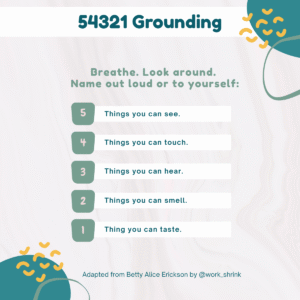
- Use the 5 Things Grounding Exercise and adapt for what senses are available to you:
How Managers Can Support Employees Who Are Struggling
The first step is simple: be real.
**Acknowledging the weight of current events matters. Avoiding it or pretending there are no distractions can be harmful. Authenticity is the braver choice.
**Caveat: If you’re someone who holds societal privilege and are new to the realities of federal and local agent overreach, I encourage you to process your dismay outside of your communication to your team. There are plenty of resources for your education. Would y’all be interested in a guide about that, too?
If you lead a team and want guidance on supporting neurodivergent employees or navigating high-stress periods, I offer workshops and consulting sessions to help teams work better together. Feel free to reach out to see if I can help you and your team.
Reducing Executive Function Strain at Work
If you manage someone who struggles with focus, prioritization, memory, or details, those challenges may be amplified right now. Ask yourself:
- How can I make it safe to ask for time off?
- Who can absorb detail-heavy tasks?
- How can I support access to self-regulation tools?
- Where can I deprioritize work and communicate clearly?
- How can I make instructions and expectations easy to find?
Small adjustments here make a huge difference.
Workplace Safety Planning and De-Escalation Readiness
Preparation can restore agency. Unfortunately, workplaces can be sites of violence right now. Do you know your rights? Your employees’ rights? Does your organization have a plan if federal agents come? Are there de-escalation strategies?
My colleague Kim Minnick created a Rapid Response Guide linked in the resources below.
Stay Connected and Take Care of Yourself
If you’re feeling flooded, triggered, or overwhelmed by work stress or past trauma, you don’t have to go through it alone. Check out my approach to ADHD therapy here.
You can reach out on the Contact page to schedule a free 20-minute consultation to see if working together could help you feel safer and more resourced.
Find out more about my Executive Functioning Coaching service here.
For leaders and organizations, I work with teams to navigate high-stress periods while maintaining psychological safety. If you’d like to explore a workshop, consulting session, or de-escalation training, reach out on the Contact page.
If this post resonated, share it with colleagues or leaders who could benefit from a trauma-informed perspective. Subscribe to my newsletter for ongoing guidance on supporting neurodivergent and trauma-impacted teams and for building healthy workplaces.
Resources
- Breathing exercises: Box breathing, or 478 breathing
- A little more on justice sensitivity
- A little more on vicarious trauma
- A handy LinkedIn carousel post about finding a great therapist complete with my favorite directories.
- ICE Rapid Response guide for employers by Code Traveler HR