Neurodivergence in the Workplace, Burnout, and Accessibility Lessons from The Pitt
You may know that I’m a therapist and a coach, but did you know I’m also a screenwriter and that makes me a professional TV watcher?
(Sadly, it’s unpaid … for now).
I’ve been threatening this for a while, but I couldn’t hold back any longer. I’m going to use TV to talk about neurodivergence, mental health, and workplace challenges.
Neurodivergence in the Workplace Through the Lens of The Pitt
It took me a few tries to get through the pilot of The Pitt because, after working in hospitals for years, the authenticity of the urgent chaos definitely got my heart racing. (It was the same for The Bear, having worked in several restaurants.) But since it was the most talked about show in my circle, I had to go back. Once in, it didn’t take long before I fell in love with the characters.
I want to talk about one in particular, because it’s one of the best representations of neurodiversity I’ve seen on TV and it showcases what it means to be interpersonally and environmentally neuroaffirming.
Early Observations of Neurodivergence in Adults
But first, let me voiceover a flashback.
Picture it, 1995. The Highly Sensitive Person becomes an international bestseller. A family member grasps for it as an explanation for why they’re like they are. At first, I rolled my eyes at what felt like the latest entry into the Self-Help Industrial Complex (you’re right, I was young).
But then I started to pay attention to the way this person would physically flinch when we’d enter a loud restaurant or overly fluorescent lit store.
First Encounters: Recognizing Neurodivergence in Adults
Later, when I became a therapist and worked with my first client with neurodivergence, it dawned on me that this family member may have been yet another undiagnosed woman with a neurodivergent brain. This early observation helped me understand how neurodivergent adults often navigate environments that weren’t designed for their brains.
Undiagnosed Neurodivergent Adults and the Cost of Masking
Which brings us back to The Pitt. One of my favorite characters is second-year resident, Dr. Melissa “Mel” King, played beautifully by Taylor Dearden.

I picked up right away that Mel was neurodivergent coded, and while her character never comes out and says that she is, we get to see her practice emotion regulation techniques (ala fellow Megan, of Thee Stallion fame) and explain what happens when she isn’t emotionally regulated. After she nails a really difficult medical procedure, she explains to her colleague:
“my frustration manifests emotionally, and then I get upset and it looks like I can’t handle things and then I can’t cry in front of the patient because no one wants to see their doctor cry.”
Masking, Burnout, and High-Achieving Professionals
Mel is an example of someone who’s twice exceptional, meaning she’s highly intelligent and neurodivergent. I see this pattern frequently in my therapy and coaching practice. Many of the adults I work with, often with ADHD, autistic traits, or other forms of neurodivergence, were never identified in childhood. They went on to build careers on the strength of their intelligence and grit, but over time the effort of masking, managing sensory overwhelm, and compensating for executive functioning differences catches up — often resulting in burnout, anxiety, or workplace conflict.
Executive Functioning and Sensory Overload at Work
One of my favorite scenes came in Season 1, Episode 7, “1:00pm.” Earlier in the episode, Dr. Langdon struggled through an intake with Terrance, who came to the ER with an ankle injury. After he leaves, visibly annoyed by Terrance’s questions, Dr. King enters and does two very simple things.
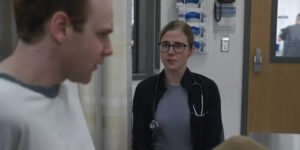
First, she immediately understands that Terrance is overstimulated, so she dims the lights. Then when an instrument starts beeping she runs to make it stop. As I mentioned earlier, hospitals — and especially ER departments — can feel like sensory overload for some people.
Her next intervention almost brought me to tears, because it looked like something I would do and was an instant rapport-builder. She simply asked, “what worries you most about the pain in your ankle?” From this question, she learns that he loves table tennis and is worried that the injury will keep him from playing in an upcoming tournament. She shows interest in his hobby, shares in his excitement, and validates his wish for a speedy recovery.
Dr. Langdon had judged Terrance from his own perspective. He probably wondered why someone would be so amped by an ankle sprain when many of the issues he treats each shift are life and death. In other words, what seemed low stakes to him didn’t match how high the stakes were in Terrance’s world. I’m not asking any leader to be a therapist, but it never hurts to think through what’s important to your employees because it’s so often not what’s important to the company.
When High Stakes Feel Different at Work
What we see in characters like Dr. King and Terrance is exactly what many neurodivergent professionals are navigating quietly in workplaces all the time. These are often the professionals who look competent and successful on paper but are privately exhausted from managing sensory overload, emotional intensity, and executive functioning strain.
Sensory Sensitivity and Neurodivergence at Work
So, let’s go back to that family member who felt seen by the Highly Sensitive Person movement. One potential presentation of folks with neurodivergence is sensory sensitivity. Any sense can be impacted. Some real-life examples I’ve encountered over the years include:
-
- Nausea brought on by certain lights
-
- Discomfort with water touching their skin
-
- Panic when hearing certain sounds or noise levels
-
- Aversion to certain foods or even the feeling of swallowing
How Sensory Overload Impacts Executive Functioning
Overstimulating work environments can amplify executive functioning challenges for adults with ADHD or autistic traits, especially around short-term memory, prioritization, and task initiation.
In a Fast Company article on the Return to Office movement, I highlighted how accessibility — not just physical accommodations but also the way work itself is structured — can help neurodivergent employees thrive. Meetings, interruptions, and office layouts can either support focus or make executive functioning demands harder to manage.
Neuroaffirming Workplaces: Accessibility, Lighting, and Open Offices
Multiple times in my own career I’ve moved into new workspaces in open floorplan offices and shriveled a little on the inside. I have incredible hearing and am easily distracted by noise. I can hyperfocus in the right environment, but unpredictable sounds can absolutely kill my flow. Once it’s gone, it’s really hard to get it back.
I would often find a quiet corner of the building to hole up in, but then I wouldn’t also have access to a monitor, ergonomic chair, or mouse. In those instances, where productivity always matters more to those above, I had to choose focus over comfort and safety from injury.
Don’t get me started on lighting. Office lighting is almost never conducive to doing my best thinking. While working from home can bring a host of other focus issues, it also allows people to have more control over their environment.
If the nature of the work doesn’t allow for that, what steps have you taken to elicit feedback from employees about the physical space? I recommend asking all employees, regardless of what you think you know about their needs. And, once you’ve gathered that information, communicating what steps you’re taking to address employee concerns — and actually following through — makes all the difference.
Doing Representation Well in Media
I have a million other things I’d love to say about the authenticity of the portrayals of some aspects of neurodivergence, but for now I’ll leave you with these last thoughts. What a difference it makes to the storytelling and to the community to have people with lived experience playing these roles.
Also, hats off to Dr. Wendy Ross who consulted on these parts of the storyline. I’ve been quietly doing some script consultations about behavioral health presentations and treatment. There’s so much stigma around these issues — please hire people for consultations and sensitivity reads!
Supporting Neurodivergent Professionals in the Workplace
Neurodivergent adults can be incredible assets to any workplace. We think of problems in ways that no one else does, which means we can also come up with solutions that no one else can. We need environments, relationships, and workplaces that make room for how our brains work.
Many of the professionals I work with spent years believing they were “too sensitive,” “too much,” or “bad at adulting,” when in reality they were navigating the world that wasn’t designed for them. When that difference is understood and supported, it becomes a strength rather than a source of shame.
If this resonates with you, or could resonate with someone you know, I specialize in supporting neurodivergent adults and high-performing professionals navigating:
-
- Burnout
-
- ADHD and executive functioning challenges
-
- Workplace stress
I offer:
-
- Therapy
-
- Executive functioning coaching
-
- Workplace consulting for HR teams and leaders
Use my contact form to schedule a free consultation.
PS: Fun Facts & Reflections on Taylor Dearden
I’d love to hear your thoughts on Dr. King. And now that you made it to the end, I’ll tell you I just saw her IRL and she was radiant. A few things I learned from my Taylor rabbit hole as I prepped this piece:
-
- She has ADHD — and we love people with lived experience playing underrepresented characters.
- She’s Bryan Cranston’s daughter.
- She’s as delightful to work with as you might hope, according to what folks in the industry have told me.
Should I keep using TV episodes to talk about mental health and workplace stuff?